

New Energy Electric Vehicles
Longzhi Qi (Shandong) Electric Vehicle Sales Co. Ltd was established on December 26, 2014, located at No. 4567 Gongye North Road, Lingang Economic Development Zone, Guodian Street, Licheng District, Jinan City, Shandong Province. Since its inception, the company has been dedicated to the research, production, and sales of electric vehicles and their components. We strive to provide high-quality, high-performance electric vehicle products to global customers and have gained wide market recognition through continuous technological innovation and excellent customer service.
Why choose us?
Technological innovation and quality improvement:
During its development, Longzhi Qi has always focused on technological innovation and quality management. The company has successively passed ISO9001 quality management system certification, CE certification, and many other international authoritative certifications to ensure that product quality meets international standards. We continuously increase R&D investment, establishing long-term cooperative relationships with well-known domestic and foreign universities and research institutions to jointly conduct research on new technologies and materials for electric vehicles, and continuously launch innovative products with market competitiveness.
Market expansion and brand building:
As the product range and production scale continue to expand, Longzhi Qi actively explores international markets, with products exported to Europe, the Americas, Southeast Asia, the Middle East, and South America. Through participating in international exhibitions, strengthening brand promotion, and market expansion, the company has established a good brand image and market reputation worldwide.
Environmental protection and sustainable development:
Longzhi Qi always adheres to the concept of green development, paying attention to environmental protection and sustainable development. The company strictly implements environmental protection standards during production, adopts energy-saving and emission-reducing technologies, and is committed to creating environmentally friendly electric vehicle products. We actively respond to the national call for "carbon peak and carbon neutrality," promoting the popularization and application of new energy electric vehicles, and contributing to global environmental protection and energy sustainability.
Social responsibility and corporate culture:
As a socially responsible enterprise, Longzhi Qi actively participates in social welfare undertakings, focusing on the development of education, environmental protection, and poverty alleviation. The company regularly organizes employees to participate in volunteer activities, conduct public donations, and provide social services, fulfilling corporate social responsibility. We emphasize corporate culture construction, advocating the core values of "innovation, quality, service, and responsibility," creating a positive corporate atmosphere, and inspiring employees' enthusiasm and creativity.
-
![Mountain Electric Motorcycle]() Mountain Electric MotorcycleThe Lightspeed Electric Motorcycle is a flagship model that combines cutting-edge technology with exceptional performance, specifically designed for modern urban riders. Its core power system uses...read more
Mountain Electric MotorcycleThe Lightspeed Electric Motorcycle is a flagship model that combines cutting-edge technology with exceptional performance, specifically designed for modern urban riders. Its core power system uses...read more -
![Top Electric Bikes for Mountain Trails]() Top Electric Bikes for Mountain TrailsThe Thunder Knight Electric Motorcycle is a high-end model that combines powerful performance with exquisite craftsmanship, tailored for riders who seek speed and strength.read more
Top Electric Bikes for Mountain TrailsThe Thunder Knight Electric Motorcycle is a high-end model that combines powerful performance with exquisite craftsmanship, tailored for riders who seek speed and strength.read more -
![Electric Motorcycle Technology]() Electric Motorcycle TechnologyThe Storm Knight Electric Motorcycle is a high-performance luxury model designed to revolutionize the traditional riding experience, perfectly blending cutting-edge technology with innovative...read more
Electric Motorcycle TechnologyThe Storm Knight Electric Motorcycle is a high-performance luxury model designed to revolutionize the traditional riding experience, perfectly blending cutting-edge technology with innovative...read more -
![Best Electric Bicycles 2024]() Best Electric Bicycles 2024The Electric Hawk is a high-performance electric motorcycle designed for riders who seek speed and a sense of technology. It utilizes the most advanced motor technology, delivering powerful output...read more
Best Electric Bicycles 2024The Electric Hawk is a high-performance electric motorcycle designed for riders who seek speed and a sense of technology. It utilizes the most advanced motor technology, delivering powerful output...read more -
![Safe and Lightweight Electric Bicycles]() Safe and Lightweight Electric BicyclesThe Meteor Electric Bicycle is a high-end electric bike that combines stylish design with exceptional performance, specifically crafted for urban riders. Its core drive system features a...read more
Safe and Lightweight Electric BicyclesThe Meteor Electric Bicycle is a high-end electric bike that combines stylish design with exceptional performance, specifically crafted for urban riders. Its core drive system features a...read more -
![Best Electric Bikes for Long-distance Riding]() Best Electric Bikes for Long-distance RidingThe Bluebird Electric Bicycle is a high-performance urban electric bike designed for riders who prioritize comfort and convenience. Combining advanced electric technology with elegant design, it...read more
Best Electric Bikes for Long-distance RidingThe Bluebird Electric Bicycle is a high-performance urban electric bike designed for riders who prioritize comfort and convenience. Combining advanced electric technology with elegant design, it...read more -
![Brand Electric Bicycle]() Brand Electric BicycleThe Light & Shadow Electric Bicycle is a high-end electric bike that combines modern technology with stylish design, specifically crafted for riders who seek outstanding performance and aesthetic...read more
Brand Electric BicycleThe Light & Shadow Electric Bicycle is a high-end electric bike that combines modern technology with stylish design, specifically crafted for riders who seek outstanding performance and aesthetic...read more -
![Electric Bike Brands To Consider]() Electric Bike Brands To ConsiderThe Wind Rider Electric Bicycle is a high-performance electric bike designed specifically for modern urban riders, seamlessly blending advanced technology with stylish design.read more
Electric Bike Brands To ConsiderThe Wind Rider Electric Bicycle is a high-performance electric bike designed specifically for modern urban riders, seamlessly blending advanced technology with stylish design.read more


EV is an acronym for electric vehicle. What are EVs? They are cars with an electric motor powered by a battery instead of a combustion engine powered by gasoline. One of the reasons EVs have gained in popularity is improvements to newer battery technology. Old lead-acid batteries were very heavy, had a range of less than 100 miles and only functioned through several hundred deep cycles. New lithium-ion batteries have a range of up to 300 miles and 10 times the life, remaining functional through about 2,000 deep cycles.
Benefits of New Energy Electric Vehicles
Zero emissions
This is the big one. Electric vehicles don’t burn diesel or petrol so they produce zero exhaust emissions. That means no harmful gases like carbon dioxide that add to global warming. Also, there are no sooty particulates that add to poor air quality, especially in our towns and cities where vehicles tend to ‘stop/start’.
Cleaner fuel
Petrol and diesel cars mean fossil fuels. Dug from the ground and refined, requiring huge amounts of energy. In contrast, with more renewable energy in our electric grid than ever, the energy required to charge an electric vehicle is much cleaner, especially if you are on a green tariff. Even if you’re on a standard tariff, there are ways you can make sure you’re charging with the cleanest energy possible.
Lower running costs
While the price of an EV may be similar to most comparable petrol or diesel cars, the cost of running one is significantly cheaper, particularly over the full lifetime of the vehicle. The fuel benefit alone can be huge. It costs around £65 to fill the average car with unleaded petrol. By comparison, EV charging costs between 1-10p per mile, which means you can drive 100 miles for as little as £1 depending on your energy tariff.
Lower maintenance costs
There are only three main components powering electric vehicles – the onboard charger, inverter and electric motor. This means there is far less wear and tear on the car and fewer moving parts susceptible to damage. All this means you’ll rarely have to have your EV serviced and in most cases the repair costs are minimal.
Types of New Energy Electric Vehicles

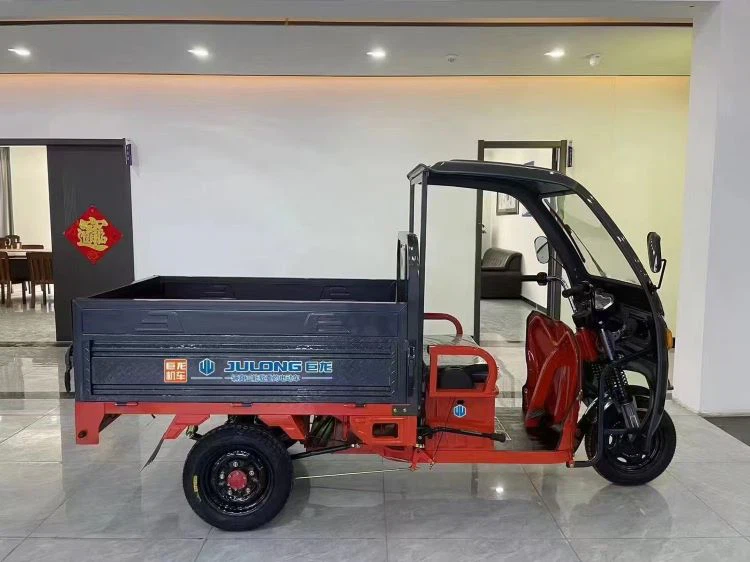


Battery Electric Vehicles (BEVs) use an electric motor to power the vehicle with electricity coming entirely from onboard batteries. They produce zero emissions while driving and require no gasoline.
Plug-in Hybrid Electric Vehicles (PHEVs) combine a traditional gasoline-powered engine with an electric motor that can be recharged by plugging into an external power source.
Hybrid Electric Vehicles (HEVs) are similar to PHEVs, but use regenerative braking instead of a plug to recharge the battery.
Fuel Cell Electric Vehicles (FCEVs) are similar to BEVs, as they only use an electric motor to drive the vehicle. However, batteries are charged through the use of hydrogen fuel cells to generate electricity, producing only water vapor as a byproduct.
Design of New Energy Electric Vehicles
Today’s EVs are very different from ICE (internal combustion engine) gasoline-powered vehicles. The new breed of EVs has benefited from a series of failed attempts to design and build electric vehicles using traditional methods of production used by manufacturers for decades.
There are numerous differences in how EVs are manufactured when compared to ICE vehicles. The focus used to be on protecting the engine, but this focus has now shifted to protecting the batteries in manufacturing an EV. Automotive designers and engineers are completely rethinking the design of EVs, as well as creating new production and assembly methods to build them. They are now designing an EV from the ground up with heavy consideration to aerodynamics, weight and other energy efficiencies.
- The single biggest modification of the car is the underbody. While this structure has been very similar in the past, with EVs there is no engine and there are no exhaust systems needed. There is an aerodynamically designed full belly pan under the EV that contains trays where the battery pack is placed. With more and more variations and shapes of battery packs available for different models, the challenge is to be able to make these variations on one Flexible Manufacturing System (FMS). Since all EV battery cells are quite heavy, flexible robotic lines are necessary.
- In addition, FMS production lines must accommodate many new robotically performed joining methods. In many instances spot welding is being replaced by an increased use of self-piercing rivets, gluing, sealing, flow drilling, and laser welding — and are specifically chosen depending on the tray used for each particular type of battery cell.
- The EV’s inner structure is called a “space frame” and is made of strong, lightweight aluminum — and for additional weight-savings, the wheels are also made of aluminum instead of steel. Using manufacturers molds, these aluminum parts are poured at a foundry. In addition, the steering wheel and seat frames are made of magnesium, a strong, lightweight metal. Even the body panels are made of lightweight aluminum, or an impact-resistant composite plastic. Both materials are recyclable, providing long-term disposal advantages.
- In an effort to reduce weight, the structural frame, seat frames, wheels and body are designed for high-strength, safety — and the lightest possible weight. New configurations have been developed that provide support for the components and protection of the vehicle occupants with minimal mass and use of high-tech materials, including aluminum, magnesium and advanced composite plastics.
- The windshield is solar glass that keeps the interior from overheating in the sun and frost from forming in winter. Materials that provide thermal conservation reduce the energy drain that heating and air conditioning impose on the batteries.
- Some features did have to be eliminated or changed while leaving all the comforts drivers find desirable and adding new considerations as well. One feature that was removed because of space restrictions was the spare tire. This was possible because the EV tires contain a sealant to repair any leaks automatically. In addition, the tires are rubber and designed to inflate to higher pressures, so the car rolls with less resistance to conserve energy.
- An added safety consideration was a pedestrian warning system, because EVs run so quietly that pedestrians may not hear them approach. Driver activated flashing lights and beeps warn pedestrians that the car is approaching. This system works automatically when the car is put in reverse as well.
Components of New Energy Electric Vehicles
Battery (all-electric auxiliary):
In an electric drive vehicle, the auxiliary battery provides electricity to power vehicle accessories.
Charge port:
The charge port allows the vehicle to connect to an external power supply in order to charge the traction battery pack.
DC/DC converter:
This device converts higher-voltage DC power from the traction battery pack to the lower-voltage DC power needed to run vehicle accessories and recharge the auxiliary battery.
Electric traction motor:
Using power from the traction battery pack, this motor drives the vehicle's wheels. Some vehicles use motor generators that perform both the drive and regeneration functions.
Onboard charger:
Takes the incoming AC electricity supplied via the charge port and converts it to DC power for charging the traction battery. It also communicates with the charging equipment and monitors battery characteristics such as voltage, current, temperature, and state of charge while charging the pack.
Power electronics controller:
This unit manages the flow of electrical energy delivered by the traction battery, controlling the speed of the electric traction motor and the torque it produces.
Thermal system (cooling):
This system maintains a proper operating temperature range of the engine, electric motor, power electronics, and other components.
Traction battery pack: Stores electricity for use by the electric traction motor.
Transmission (electric):
The transmission transfers mechanical power from the electric traction motor to drive the wheels.
How to Maintain New Energy Electric Vehicles
Prioritize ev battery care
Your electric car's high-voltage battery pack is probably the most essential component of your entire vehicle. Not only is it the power source of your EV, but it also saves you money by omitting fuel stops (in some EVs). Therefore, the battery pack should be top of mind.
- Don't overcharge your battery.
Unless you’re driving for an extended amount of time, there’s no need to charge your battery to 100 percent. Although this may feel counterintuitive, consistently charging your EV's battery to its max may cause it to wear at a faster rate. Ideally, you’ll want to keep your battery pack’s charge in the 20 percent to 80 percent range.
- Don't undercharge your battery for extended periods.
Avoid leaving your EV's battery with little to no charge for long periods of time. Doing so may also affect your car battery's health and cause degradation at a faster rate. Try keeping your battery's charge at no less than 20% on a regular basis.
- Pay attention to where you park.
Heat can eventually wreak havoc on your EV's battery performance, while low temperatures can lower your battery’s range. Look for covered parking during extreme weather conditions to help your battery pack stay in the best shape possible. Your high-voltage battery pack may also have its own cooling system, which could require occasional inspection and maintenance.
Change the oil (if needed)
Do electric vehicles use oil? It depends, particularly on what type of electric car you have. A plug-in hybrid electric vehicle (PHEV) with a combustion engine will need occasional oil changes and cooling system and fuel and air intake system inspections.
Maintain your brakes
The kinetic energy that EV regenerative braking systems use creates electricity. This conversion of energy provides your battery pack with more power. However, EVs (and hybrids) with regenerative braking systems still have conventional friction brakes with brake fluid, rotors, pads, drums, shoes, etc.
The regenerative brakes and conventional friction brakes work in parallel on your EV. And similar to standard vehicles, getting conventional brake inspections should be a regular part of your EV’s scheduled maintenance.
Get regular tire rotations
Getting regular tire rotations may help to reduce tire wear, ensure even tread depth across all four tires, and potentially keep money in your pocket by minimizing frequent tire replacements. All of which is why you should continue to perform tire rotations for your ride.
Tire rotation schedules for EVs are often similar to those of gas or hybrid vehicles: about every 6,000 miles. But you'll want to follow your manufacturer's suggested maintenance schedule for a more vehicle-specific timeline.
In addition to tire rotations, maintaining the appropriate pressure, wheel alignment, and balance of your tires may help to sustain performance and longevity.
Inspect/refill fluids when needed
Your hybrid or electric car may still have an engine, which could require oil changes and cooling system inspections. It may not have a traditional automatic transmission, but it likely has a gear reduction ‘transmission’ or gearbox containing lubricant.
Our Factory
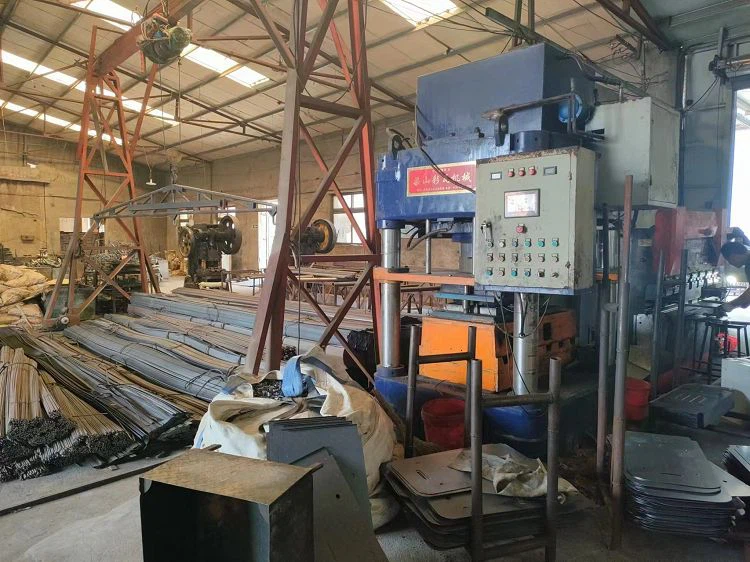
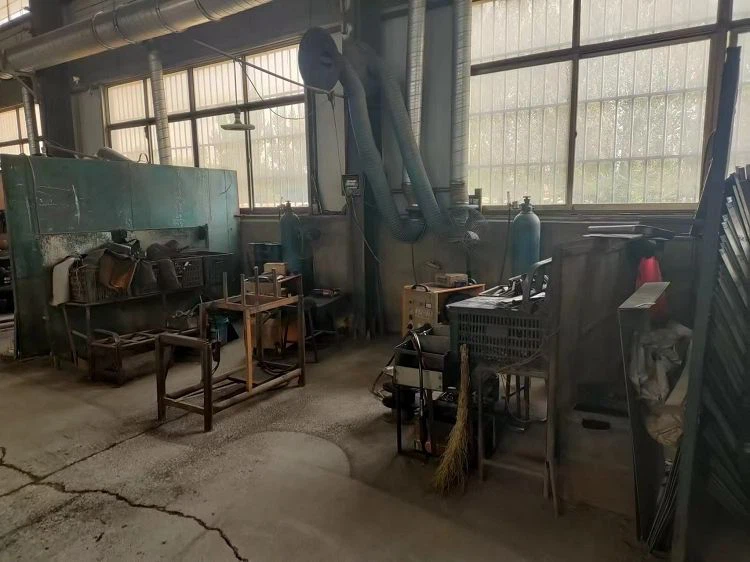
Longzhi Qi (Shandong) Electric Vehicle Sales Co. Ltd's factory is located at No. 4567, Gongbei Road, Liguang Economic Development Zone, Guodian Street, Licheng District, Jinan City, Shandong Province. Our factory occupies a large area and is equipped with modern production facilities and advanced management systems to ensure that every production process meets the highest standards.




FAQ
Q: What are new energy electric vehicles (NEVs)?
A: NEVs include pure electric vehicles, plug-in hybrid electric vehicles, and fuel cell electric vehicles. They are designed to reduce environmental impact compared to traditional gasoline or diesel vehicles.
Q: How do new energy electric vehicles differ from traditional gasoline vehicles?
A: NEVs run primarily or entirely on electricity, whereas traditional vehicles rely on internal combustion engines powered by gasoline. NEVs produce fewer emissions and offer smoother, quieter operation.
Q: What is the driving range of new energy electric vehicles?
A: Driving range varies depending on the model and battery technology. Modern NEVs can offer ranges from 100 to over 300 miles on a single charge, with advances improving this metric every year.
Q: How long does it take to charge an NEV?
A: Charging times vary widely depending on the charging method. From a standard home outlet, it can take overnight, while fast chargers can recharge a vehicle to 80% capacity in 30 minutes to an hour.
Q: Can new energy electric vehicles be charged at home?
A: Yes, most NEVs can be charged at home using a standard electrical outlet or a dedicated charging station. Installing a dedicated charger increases charging speed and convenience.
Q: What is the maintenance cost of new energy electric vehicles compared to gasoline vehicles?
A: NEVs have lower maintenance costs due to fewer moving parts and no need for oil changes. Brake pads last longer thanks to regenerative braking, and there are no spark plugs, belts, or filters to replace regularly.
Q: Are new energy electric vehicles safe in accidents?
A: Yes, NEVs undergo rigorous crash testing like gasoline vehicles. Battery packs are designed to withstand impact, and many models feature advanced safety systems to protect occupants.
Q: How do new energy electric vehicles contribute to reducing greenhouse gas emissions?
A: By replacing gasoline-powered vehicles, NEVs help reduce CO₂ emissions, which are major contributors to climate change. This effect increases as more renewable energy sources are used for charging.
Q: Can NEVs be charged using renewable energy sources?
A: Yes, charging NEVs with solar, wind, or hydroelectric power can make them entirely carbon-neutral or even carbon-negative, considering the carbon footprint of manufacturing and disposal.
Q: Are there enough charging stations for new energy electric vehicles?
A: Infrastructure varies by region, but governments and private companies are rapidly expanding charging networks. Availability is expected to meet demand as NEV adoption grows.
Q: Can NEVs be charged wirelessly?
A: Wireless charging is possible but not yet widespread. Some models support inductive charging pads that can recharge vehicles without plugging in, increasing convenience.
Q: Do NEVs have enough power for steep hills or towing?
A: Modern NEVs offer ample power for most driving conditions, including towing light loads and climbing hills. High-performance models rival gasoline vehicles in acceleration and torque.
Q: What is the life expectancy of a new electric car?
A: With regular use, the average lifespan of a gas vehicle is 150,000 miles or eight years, and EVs can last up to 200,000 miles, or about 12 years.
Q: How often should I get EV serviced?
A: However, the lower operating temperatures for batteries and electric motors contributes to longer service intervals with some EV manufacturers recommending inspection every two to three years (or 36,000 miles) and replacement every 10 years.
Q: Is it OK to charge an EV every day?
A: The short answer is no. You should not charge your battery every day. Constantly hooking up your car to a charger will shorten the lifespan of the battery. The safest bet would be to follow the battery charging guidelines set out in the car's user manual.
Q: Should I always charge my EV to 100%?
A: Whilst charging to 100% is perfectly acceptable and safe for your battery, in the long-term EVs benefit from not getting charged to the max. This is because lithium-ion batteries are most efficient working in the range of 20-80%. This logic applies to most aspects of your car too.
Q: What is the meaning of new energy cars?
A: Put simply, NEV stands for New Energy Vehicles and is categorised as any electrified vehicle, meaning conventional plugless hybrids (HEVs), plug-in hybrids (PHEVs), battery-electric vehicles (EVs), and our hydrogen fuel-cell electric vehicles (FCEVs) which have already been launched to huge success overseas.
Q: What is the trend for new energy vehicles?
A: Electric car sales break new records with momentum expected to continue through 2024. Electric car markets are seeing robust growth as sales neared 14 million in 2023. The share of electric cars in total sales has increased from around 4% in 2020 to 18% in 2023. EV sales are expected to continue strongly through 2024.
Q: What's the new EV technology?
A: Plug-in Hybrid Electric Vehicle (PHEV): The PHEVs or series hybrids, also come with both engine and a motor. A choice can be made among the fuels — conventional fuel like petrol, or alternative fuel like bio-diesel. A rechargeable battery pack can also be used to provide power to it.
Q: Why are cars switching to electric?
A: Electric cars and trucks are better than gas-fueled vehicles because over the course of their lifetime they emit fewer carbon emissions. EVs create 3,932 pounds of carbon equivalent per year, compared to 11,435 for gas powered vehicles, according to calculations from the US Department of Energy.
We're professional new energy electric vehicles manufacturers and suppliers in China, specialized in providing high quality customized service. We warmly welcome you to buy new energy electric vehicles made in China here from our factory.
Urban Commuting Scooter, medium sized electric bike, Electric Scooter for Heavy Riders