

Lightweight E-bike
Longzhi Qi (Shandong) Electric Vehicle Sales Co. Ltd was established on December 26, 2014, located at No. 4567 Gongye North Road, Lingang Economic Development Zone, Guodian Street, Licheng District, Jinan City, Shandong Province. Since its inception, the company has been dedicated to the research, production, and sales of electric vehicles and their components. We strive to provide high-quality, high-performance electric vehicle products to global customers and have gained wide market recognition through continuous technological innovation and excellent customer service.
Why choose us?
Technological innovation and quality improvement:
During its development, Longzhi Qi has always focused on technological innovation and quality management. The company has successively passed ISO9001 quality management system certification, CE certification, and many other international authoritative certifications to ensure that product quality meets international standards. We continuously increase R&D investment, establishing long-term cooperative relationships with well-known domestic and foreign universities and research institutions to jointly conduct research on new technologies and materials for electric vehicles, and continuously launch innovative products with market competitiveness.
Market expansion and brand building:
As the product range and production scale continue to expand, Longzhi Qi actively explores international markets, with products exported to Europe, the Americas, Southeast Asia, the Middle East, and South America. Through participating in international exhibitions, strengthening brand promotion, and market expansion, the company has established a good brand image and market reputation worldwide.
Environmental protection and sustainable development:
Longzhi Qi always adheres to the concept of green development, paying attention to environmental protection and sustainable development. The company strictly implements environmental protection standards during production, adopts energy-saving and emission-reducing technologies, and is committed to creating environmentally friendly electric vehicle products. We actively respond to the national call for "carbon peak and carbon neutrality," promoting the popularization and application of new energy electric vehicles, and contributing to global environmental protection and energy sustainability.
Social responsibility and corporate culture:
As a socially responsible enterprise, Longzhi Qi actively participates in social welfare undertakings, focusing on the development of education, environmental protection, and poverty alleviation. The company regularly organizes employees to participate in volunteer activities, conduct public donations, and provide social services, fulfilling corporate social responsibility. We emphasize corporate culture construction, advocating the core values of "innovation, quality, service, and responsibility," creating a positive corporate atmosphere, and inspiring employees' enthusiasm and creativity.
-
![Best Electric Scooters for Off-road]() Best Electric Scooters for Off-roadExperience the thrill of swift and effortless travel with the Light Speed Electric, a lightweight electric vehicle designed for those who value speed, agility, and convenience.read more
Best Electric Scooters for Off-roadExperience the thrill of swift and effortless travel with the Light Speed Electric, a lightweight electric vehicle designed for those who value speed, agility, and convenience.read more -
![Electric Scooter for Long Distances]() Electric Scooter for Long DistancesGlide effortlessly through your daily travels with the Breeze Electric, a lightweight electric vehicle that combines cutting-edge technology with elegant design. Ideal for urban commuters and...read more
Electric Scooter for Long DistancesGlide effortlessly through your daily travels with the Breeze Electric, a lightweight electric vehicle that combines cutting-edge technology with elegant design. Ideal for urban commuters and...read more -
![Best Electric Bikes for Beginners]() Best Electric Bikes for BeginnersMeet the Featherweight Rider, the ultimate lightweight electric vehicle designed for those who value agility, efficiency, and effortless travel. Perfect for urban commuting and leisurely rides,...read more
Best Electric Bikes for BeginnersMeet the Featherweight Rider, the ultimate lightweight electric vehicle designed for those who value agility, efficiency, and effortless travel. Perfect for urban commuting and leisurely rides,...read more -
![Low Speed Micro Electric Bicycle]() Low Speed Micro Electric BicyclePerfect for city commuters and adventure enthusiasts, the Lightning Glide combines cutting-edge technology with a sleek, aerodynamic design to provide an unparalleled riding experience.read more
Low Speed Micro Electric BicyclePerfect for city commuters and adventure enthusiasts, the Lightning Glide combines cutting-edge technology with a sleek, aerodynamic design to provide an unparalleled riding experience.read more -
![Compact Micro Electric Bicycle]() Compact Micro Electric BicycleDiscover the perfect blend of agility and efficiency with the Nimble Electric, a lightweight electric vehicle designed for dynamic urban living. Whether you're commuting to work or exploring the...read more
Compact Micro Electric BicycleDiscover the perfect blend of agility and efficiency with the Nimble Electric, a lightweight electric vehicle designed for dynamic urban living. Whether you're commuting to work or exploring the...read more -
![Portable Micro Electric Scooter]() Portable Micro Electric ScooterCombining modern technology with user-friendly features, the Easy Ride Electric offers a smooth and enjoyable riding experience for urban dwellers and adventurers alike.read more
Portable Micro Electric ScooterCombining modern technology with user-friendly features, the Easy Ride Electric offers a smooth and enjoyable riding experience for urban dwellers and adventurers alike.read more


Lightweight E-bikes are currently in high demand due to their unique appeal. These bikes offer the potential to weigh less than many traditional non-electric bicycles while still delivering all the benefits of an electric motor. Whether you desire the ease of lifting your bike onto a rack, effortlessly navigating stairs, or simply prefer the sensation of riding an e-bike that closely resembles a conventional bicycle, lightweight Electric bikes present an excellent choice.
Benefits of Lightweight E-Bike
Enhanced speed and agility
One of the most notable benefits of lightweight e-bikes is their enhanced speed and agility. The reduced weight allows for quicker acceleration, making it easier to navigate through traffic and maneuver around obstacles. This agility is particularly beneficial in urban environments where split-second decisions can make a significant difference.
Extended range
Another critical advantage of lighter e-bikes is their extended range. The reduction in weight leads to increased battery efficiency, allowing riders to travel longer distances on a single charge. This improvement means that cyclists can enjoy extended rides without the constant worry of running out of battery power.
Better hill climbing ability
Climbing hills is a daunting task for many cyclists, but lightweight e-bikes make this challenge more manageable. The combination of reduced weight and electric assistance means that riders can tackle inclines with less effort and greater ease. This advantage is particularly valuable in hilly urban areas or mountainous terrains.
Ease of transport
Lightweight e-bikes are also incredibly convenient and practical. Their reduced weight makes them easier to carry and store, a crucial factor for urban dwellers with limited space. For instance, lifting a lightweight e-bike onto a bike rack or carrying it up a flight of stairs is a much simpler task compared to traditional, heavier models. Additionally, their compact design allows them to fit into smaller storage spaces, making them an ideal choice for apartment living.
Commuter friendliness
For daily commuters, lightweight e-bikes are a game-changer. They are less cumbersome on public transport, allowing for a smoother transition between cycling and other modes of transportation. In busy urban environments, these bikes offer quicker and more efficient travel, helping riders avoid traffic jams and reach their destinations faster. This commuter-friendly aspect makes lightweight e-bikes an excellent alternative to cars and public transport for short to medium distances.
Versatility
The adaptability of lightweight e-bikes extends their appeal beyond just commuting. They are suitable for various uses, from recreational rides in the park to professional cycling events. This versatility ensures that riders of all skill levels and preferences can benefit from these advanced machines. Whether you're looking to enjoy a leisurely weekend ride or need a reliable mode of transport for your daily grind, a lightweight e-bike can meet your needs.
How the Lightweight E-Bike Works
Electric bikes use a motor to boost your ability to ride. If you tire out while riding an e-bike, you can use the throttle to help you move. Pedal-assist also kick in while you pedal the bike, allowing you to use less effort. As soon as you stop pedaling or go over the preset speed limit of the bike, though, the pedal-assist stops.
The motor changes electric power into mechanical work that it uses to help turn the bicycle's wheels. Manufacturers have three positions for placing the motor — the front hub, rear hub and in the center of the bike. Motors placed on the front hub have become less popular today than those installed in other locations on the bike. You will typically find these front-installed motors on low-end e-bikes.
Rear-hub motors drive the bike from the rear wheel and integrate with the bicycle gears. The motor in this position improves traction and handling thanks to its connection to the gearing. With better control, rear hub motors often appear on mid-class e-bikes.
Premium, and very expensive, electric bikes have their motors near the center of gravity and attached to the frame. This motor position does not prevent you from quickly changing tires on your bike while making the bike stable.
E-bikes are typically made with electronic components that have secure coverings with tight seals to prevent damage from light rain. They can withstand a variety of climates, but it's important to use common sense and avoid overexposing an e-bike to significant water and/or rain.
Process of Lightweight E-Bike


Designing the e-bike
- Concept and research
The journey of manufacturing an electric bike begins with a concept. Designers and engineers brainstorm ideas and conduct research to understand market trends, user preferences, and the latest technological advancements. This phase is crucial in determining the bike’s target audience and intended use.
- Frame design
One of the key elements of an electric bike is its frame. Designers create prototypes and utilize computer-aided design (CAD) software to refine the frame’s shape, size, and material composition. The frame must be sturdy yet lightweight to accommodate the electric components.
Selecting components
- Electric motor
The heart of an electric bike is its motor. Manufacturers must choose the right type and power rating to match the bike’s intended use. Common motor types include hub motors, mid-drive motors, and friction drive motors.
- Battery pack
Electric bikes rely on lithium-ion battery packs to store and deliver power. These battery packs are designed to fit seamlessly within the frame while providing sufficient capacity for the desired range. Battery chemistry, voltage, and capacity are carefully considered during this phase.
- Controller and electronics
The controller and associated electronics are responsible for managing the flow of electricity from the battery to the motor. These components must be compact, reliable, and capable of seamless integration into the bike’s design.
- Brakes, gears, and suspension
To ensure a safe and comfortable riding experience, manufacturers select high-quality braking systems, gears, and suspension components. These elements are crucial for maintaining control and providing a smooth ride.
Assembly process
- Frame fabrication
Once the design and component selection are finalized, the frame is fabricated. Various materials such as aluminum, carbon fiber, or steel are used, and welding or bonding techniques are employed to create a durable structure.
- Integration of electric components
Next, the electric components are integrated into the frame. This includes mounting the motor in the hub or on the frame, installing the battery pack, and connecting all the necessary wires and cables.
- Quality control
Before moving forward, thorough quality control checks are conducted. This ensures that all components are functioning correctly and that there are no defects in the frame or electronics.
- Final assembly
After passing quality control, the bike undergoes final assembly. This includes adding the wheels, handlebars, pedals, and other finishing touches. The bike is meticulously inspected to ensure everything is in order.
Testing and calibration
- Motor and battery testing
Manufacturers run comprehensive tests on the motor and battery to ensure they meet the specified performance criteria. These tests include assessing power output, range, and efficiency.
- Electronics calibration
The electronic components, including the controller, are calibrated to ensure they work together seamlessly. This step is crucial for achieving a smooth and controlled ride.
Painting and finishing
- Surface finish
The bike’s frame and components are prepared for painting or finishing. This step not only adds aesthetic appeal but also provides protection against corrosion and wear.
- Graphics and branding
Manufacturers apply decals, graphics, and branding elements to give the bike its distinctive identity. These details are often chosen to reflect the bike’s style and intended market.
Components of Lightweight E-Bike
E-bike motor
Electric bike motors are available in a wide variety of power ratings, starting from 200W to 1000W or more. A higher wattage rating means that the E-bike will be able to handle more torque with greater ease, but it requires more battery capacity to operate. Consequently, a 500W motor will drain the battery much quicker than a 250W motor, but it will be more powerful.
E-bike battery
The battery is the most expensive part of the e-bike that powers an electric bicycle. In the early days, e-bikes used lead-acid, nickel-cadmium, or NiMH batteries, but modern electric bikes use lithium-ion batteries only.
E-bike motor controller
The motor controller is an essential part of the E-bike, which requires controlling the E-bike motor. Most of the E-bike motors are brushless and have three wires. The brushless motor can't spin without this alternating current.
E-bike throttle
Throttle is used to control the full amount of power coming from the electric motor at any given time. Almost all motor controllers have a throttle input plug.
E-bike brake or e-brake
An E-brake sensor is an optional device. There are two reasons to use an E-brake sensor on an E-bike. One is for the safety cut-off; the motor will shut off whenever you press the brake levers.
PAS and torque sensors
It is also an optional component of an e-bike. In a throttle-assisted e-bike, you control the motor power with your hands, but a PAS (pedal-assist system) sensor or torque sensor allows the e-bike to be controlled from your pedaling.
E-bike mechanical components
Mechanical parts and features are used as the building blocks of an e-bike. It includes the sprocket, pinion, chain, and freewheel.
How to Maintain Lightweight E-Bike
Check your tire pressure
Keeping your tires at the correct pressure is the most basic maintenance step in any bike owner’s repertoire. It makes your ebike less likely to get a flat, move more efficiently, and your tires grip the road surface better. Check the sidewall of your tire or the owner’s manual for your correct tire pressure. Do this before you ride, especially if your bike has not been used for a while. Generally keep your tire pressure above 50-55 PSI. If you are on the heavier side >200lbs aim for 60 PSI. Check your tires for a max PSI setting and be sure not exceed it.
Check cables and connectors for wear
Carefully look at all your cables and connections for any signs of damage, such as fraying or wear to the outer casing. Check that the connections are secure and have no signs of rust. Take a small spin around and shift through the gears to make sure you are getting the full range and the shifting is going between each gear. If there are issues here you may have to refer to an online guide on derailleur adjustment or take it into your local shop.
Check your brakes for wear
Your brakes are a really important safety feature of your bike, so they need regular checking before every ride. Check that your disc is not rusted, bent, or scratched. Lift the front of your bike, spin the wheel, and then pull on the brake lever to check the wheel stops quickly and firmly. Lift the back of your bike and repeat.
Push your bike along and squeeze each brake at a time, listening for any scratching or gritty noises, which suggest the pads or disc need cleaning. Be very careful not to contaminate your discs with lubricants or silicone spray when cleaning your bike as this can stop them from working properly.
You can also take a light and shine it on the brake pads to see if there is enough material.
Regularly charge your batteries
Regularly charging will ensure your electric bike is always ready when you are. Get into the habit of charging frequently because storing the bike at low charge levels reduces the battery’s storage capacity. Set up a place at home or work convenient for charging, so it’s easy and won’t be forgotten. If you want to learn more about battery care, check out our battery golden rules.
Regularly lube your chain
Keeping your chain well lubricated is another basic maintenance step, it makes your bike easier to pedal and wastes less energy. Before lubing your chain make sure to use a degreaser to wipe off any dirt or excess oil before applying any fresh oil. Once it is lubed, take a clean cloth to wipe off any excess lube. Make sure to wipe off your chain because too much lube on your chain can attract dirt and turn your lovely clean chain into a gloopy mess.
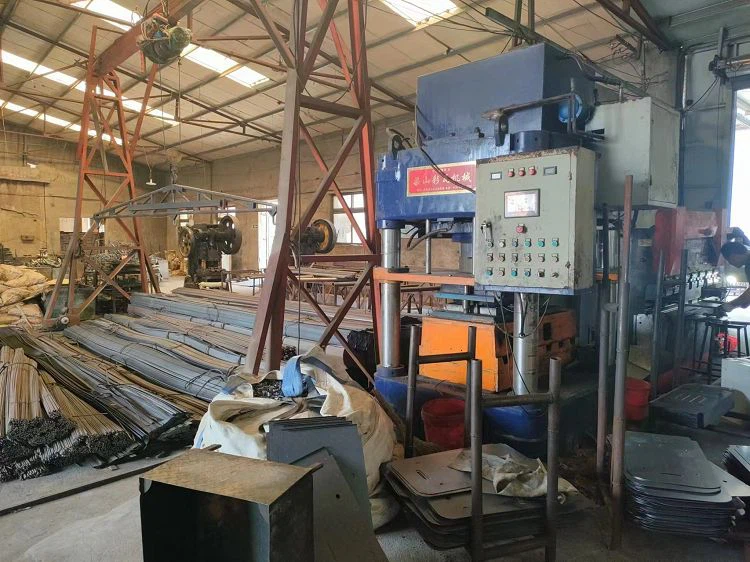
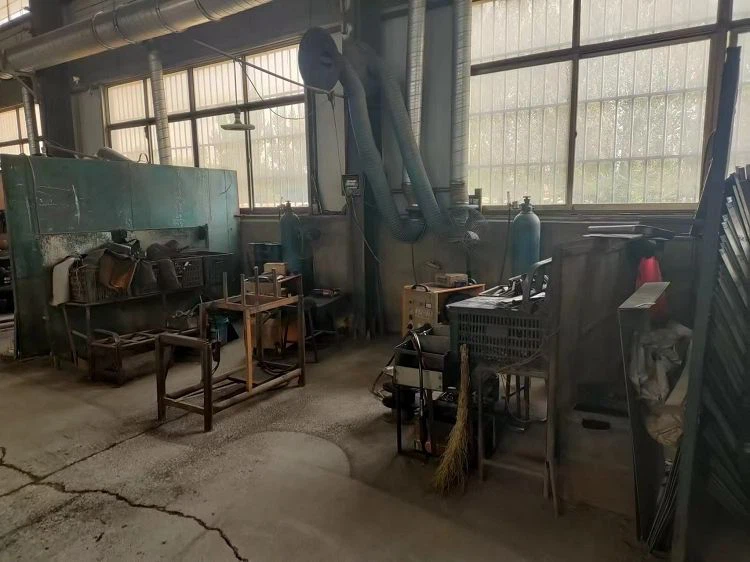
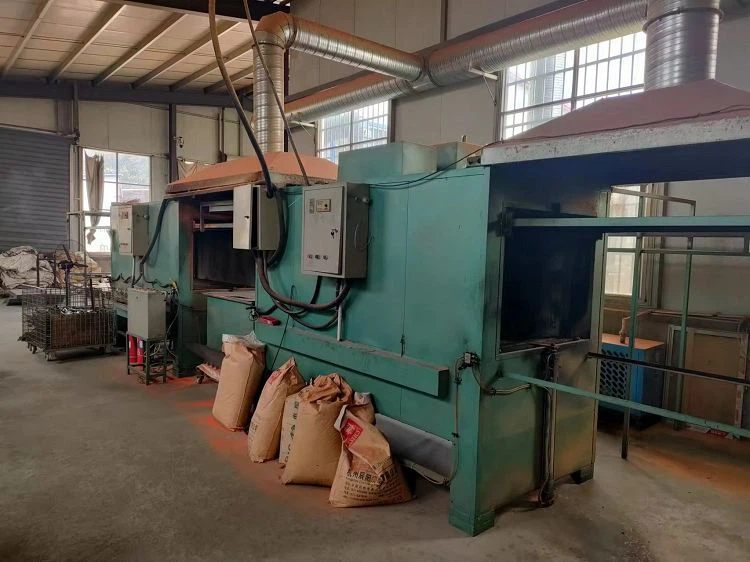
Our Factory
Longzhi Qi (Shandong) Electric Vehicle Sales Co. Ltd's factory is located at No. 4567, Gongbei Road, Liguang Economic Development Zone, Guodian Street, Licheng District, Jinan City, Shandong Province. Our factory occupies a large area and is equipped with modern production facilities and advanced management systems to ensure that every production process meets the highest standards.



FAQ
Q: What defines a lightweight electric bike?
A: A lightweight e-bike is designed to weigh significantly less than traditional e-bikes, typically coming in under 40 lbs (18 kg). This makes them easier to handle and transport.
Q: How does the weight affect the performance of a lightweight e-bike?
A: Reduced weight leads to quicker acceleration, better handling, and potentially longer battery life due to lower energy consumption.
Q: What types of motors are used in lightweight electric bikes?
A: Often, lightweight e-bikes utilize high-efficiency hub motors or lighter mid-drive motors to maintain performance without adding significant weight.
Q: Can lightweight e-bikes handle hills as well as heavier models?
A: Despite their lightness, modern designs incorporate powerful motors that can effectively handle inclines, comparable to heavier counterparts.
Q: How far can I go on a single charge with a lightweight e-bike?
A: Range varies based on factors like terrain, rider weight, and assistance level, but expect around 20-60 miles (32-96 km) per charge for most models.
Q: Are lightweight e-bikes durable enough for daily commuting?
A: Yes, they are built to withstand regular use, with robust frames and components designed for reliability and longevity.
Q: How do I maintain a lightweight e-bike to ensure its longevity?
A: Regular maintenance includes checking tire pressure, lubricating moving parts, and keeping the battery charged when not in use.
Q: What is the difference in speed between a lightweight e-bike and a standard one?
A: Speed capabilities are similar across categories, with top assisted speeds often capped at around 20-28 mph (32-45 km/h), depending on regulations and model specs.
Q: How does the weight of a lightweight e-bike affect portability?
A: Lighter e-bikes are easier to lift, store, and carry, making them ideal for apartment dwellers or those needing to transport the bike frequently.
Q: Can lightweight e-bikes fold for storage and transport?
A: Many models are foldable, enhancing their portability. Always check the folding mechanism’s durability and ease of use before purchasing.
Q: How does the price of a lightweight e-bike compare to a standard one?
A: Lightweight models can be more expensive due to premium materials and design, but prices vary widely based on features and brand.
Q: Are there specific accessories designed for lightweight e-bikes?
A: Yes, from racks and lights to locks, lightweight e-bikes can accommodate a variety of accessories designed for minimal weight addition.
Q: How do I select the right lightweight e-bike for my needs?
A: Consider factors like riding purpose, terrain, budget, and desired features. Test rides can help determine which model suits your riding style best.
Q: What components contribute to the lightweight design of e-bikes?
A: Lightweight e-bikes use advanced materials for the frame, such as carbon fiber, and efficient motors and batteries, contributing to their lighter overall weight.
Q: How far can I travel on a single charge with a lightweight e-bike?
A: The range can vary widely, influenced by riding style, terrain, and assistance level, typically ranging from 20-60 miles (32-96 km) per charge.
Q: Is maintenance for a lightweight e-bike different from a standard one?
A: Maintenance is largely similar, focusing on tires, brakes, and battery care. However, lighter bikes might have specific needs for adjustments due to the materials used.
We're professional lightweight e-bike manufacturers and suppliers in China, specialized in providing high quality customized service. We warmly welcome you to buy lightweight e-bike made in China here from our factory.
Portable Micro Electric Scooter, Electric Scooter for Long Distances, Compact Micro Electric Bicycle